


Learn to skipper a sailing catamaran
Whether you've never stepped aboard a sailboat or already have experience on the water, Waypoint's training program is designed to take you from curious beginner to confident multihull skipper.
Our curriculum focuses on the real-world skills needed to safely operate a modern cruising catamaran.
Why learn on a catamaran?
Learning on the type of boat you eventually want to charter or own simply makes sense.
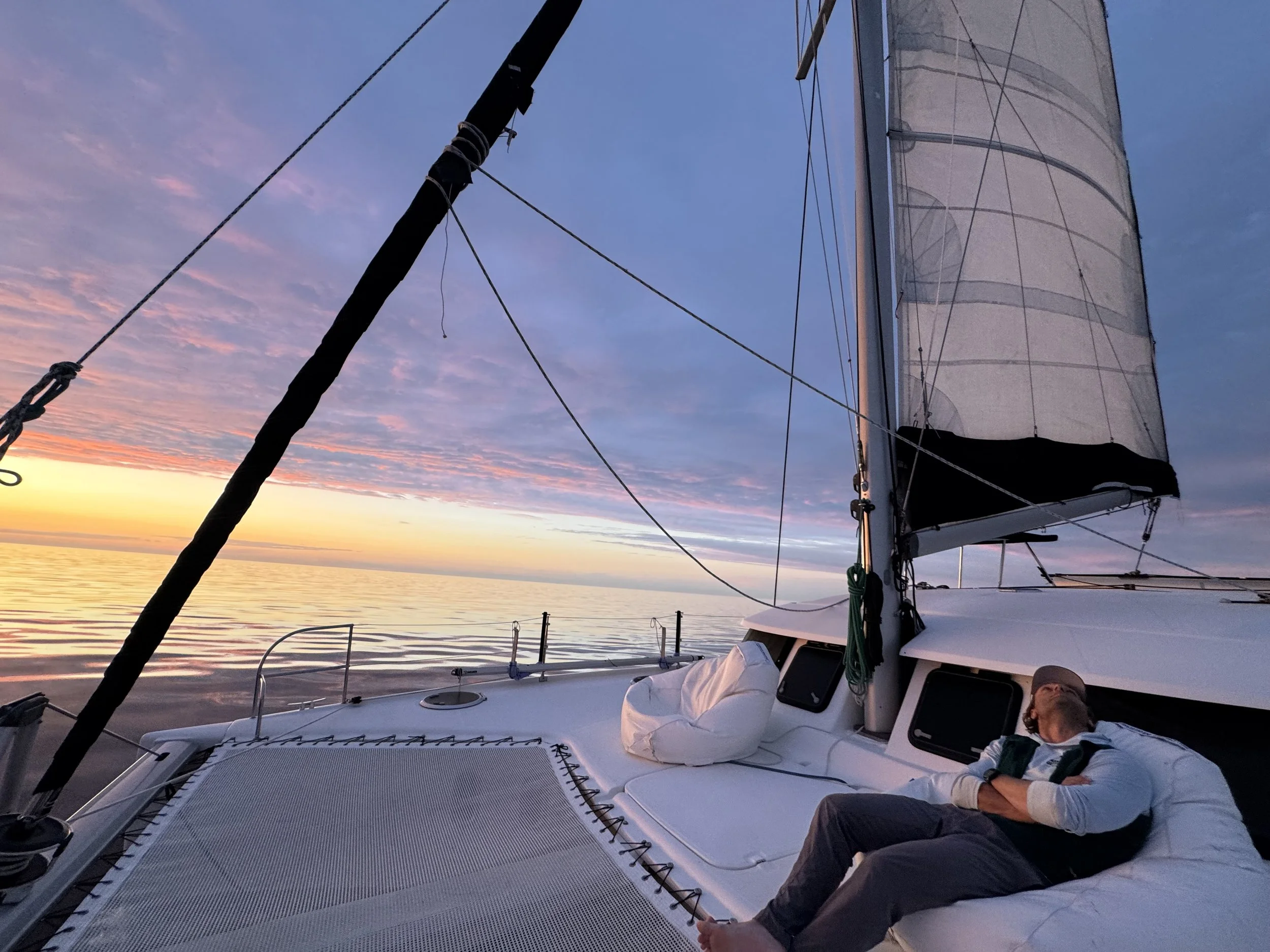
Instead of adapting monohull techniques later, you'll develop skills specific to cruising catamarans from day one.
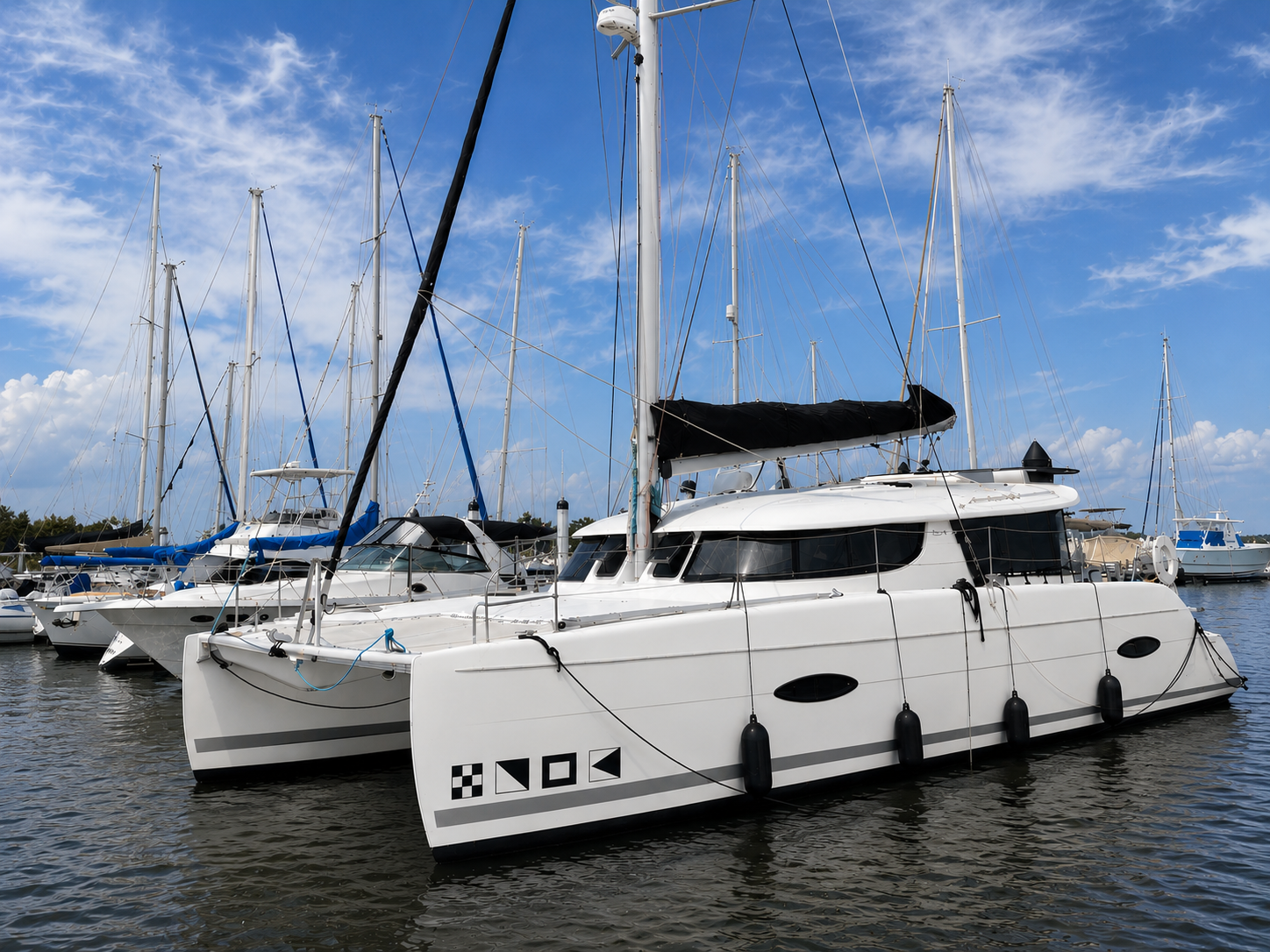
You’ll Learn
Twin-engine maneuvering
Catamaran docking techniques
Sail handling and trim
Weather awareness
Navigation
Anchoring
Boat systems
Crew communication
Trip planning
Safe decision-making
Your Learning Path
Explorer – Discover Sailing
Perfect for complete beginners.
No experience required.
You'll learn:
Basic sailing terminology
Safety equipment
Points of sail
Wind awareness
Steering fundamentals
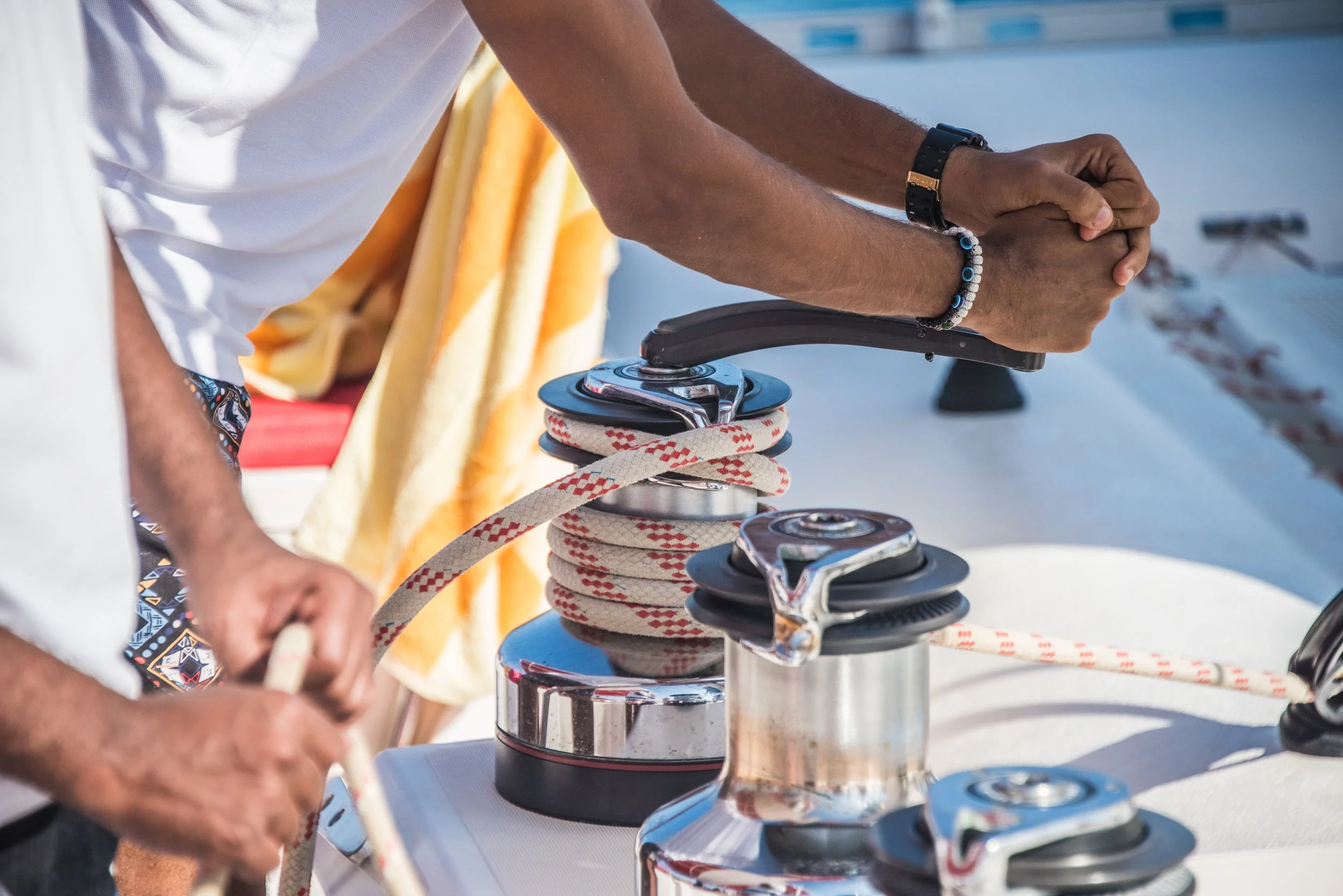
Line handling
Crew roles
Enjoying a day under sail
Goal: Feel comfortable and excited about sailing.

Crew – Foundations of Seamanship
Begin developing the practical skills every skipper needs.
Topics include:
Knots and line handling
Rules of the road
Navigation basics
Weather fundamentals
Boat systems
Dock etiquette
Anchoring fundamentals
Safety procedures
Goal: Become a knowledgeable and capable crew member.
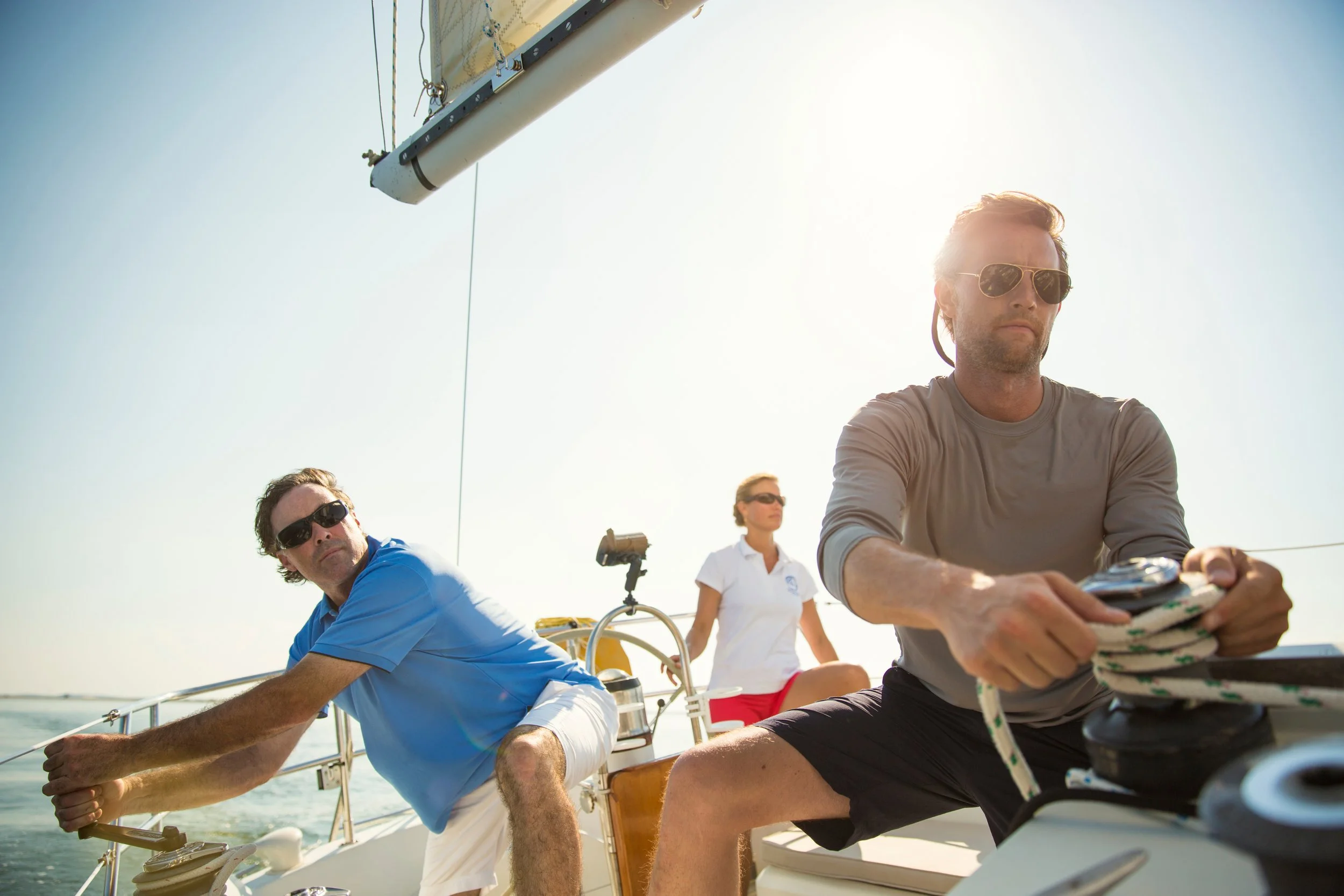
Helmsman – Catamaran Handling
Topics include:
Twin-engine maneuvering
Docking in varying wind conditions
Pivot turns
Close-quarters handling
Spring lines
Sail balance
Reefing
Crew management
Emergency procedures
Goal: Operate a cruising catamaran safely around the marina and under sail.
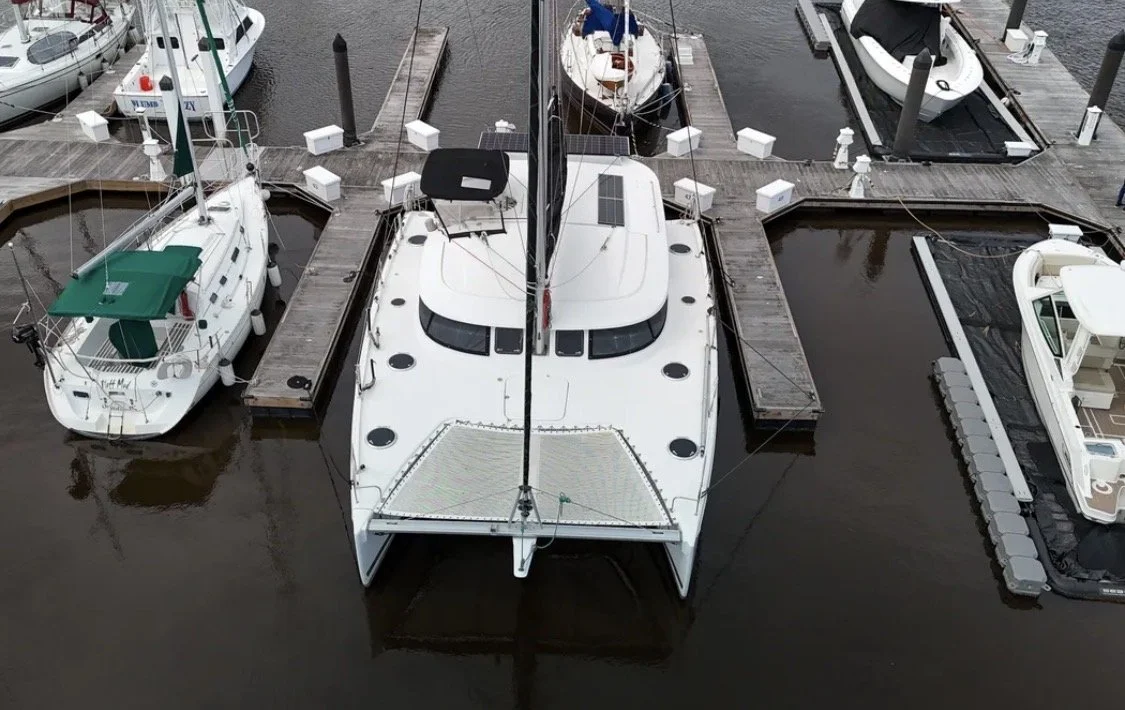
Skipper – Coastal Cruising Skills
Students begin thinking like captains.
Topics include:
Voyage planning
Weather interpretation
Fuel management
Battery management
Anchoring overnight
Emergency planning
Watchkeeping
Guest safety
Provisioning
Decision making
Goal: Plan and execute a successful day cruise with confidence.
Waypoint Qualified – Bareboat Checkout
Everything comes together.
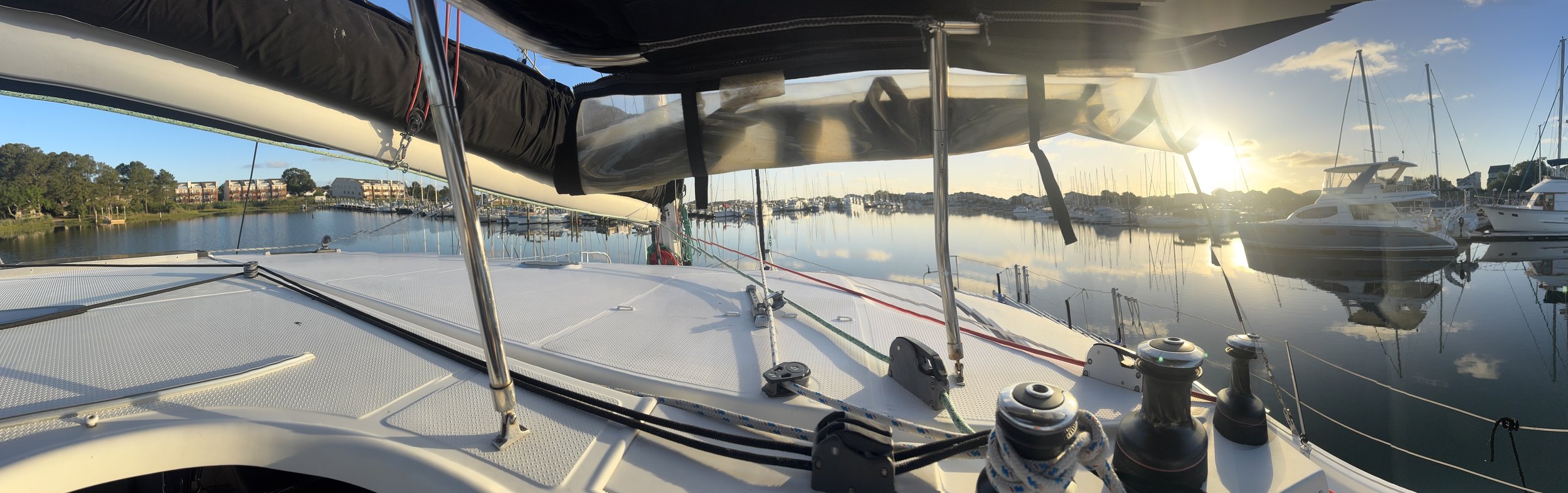
A Waypoint instructor joins you aboard NOVA for a practical evaluation.
You'll demonstrate your ability to:
Conduct a safety briefing
Inspect the vessel
Depart the dock safely
Maneuver under power
Raise, reef, and trim sails
Navigate effectively
Return and dock confidently
Care for the vessel throughout the day
Successful completion qualifies you to bareboat charter NOVA, subject to Waypoint's charter policies and ongoing proficiency expectations.
Continue Your Journey!
After completing the program, you'll have the opportunity to:
Join the Waypoint Membership Program as a skipper
Continue building experience through advanced clinics
Advanced Sailing Clinics
Continue building your confidence with workshops designed for experienced sailors, new owners, and Waypoint members. Each clinic focuses on a specific skill that helps you become a safer, more capable skipper.
Featured Clinics
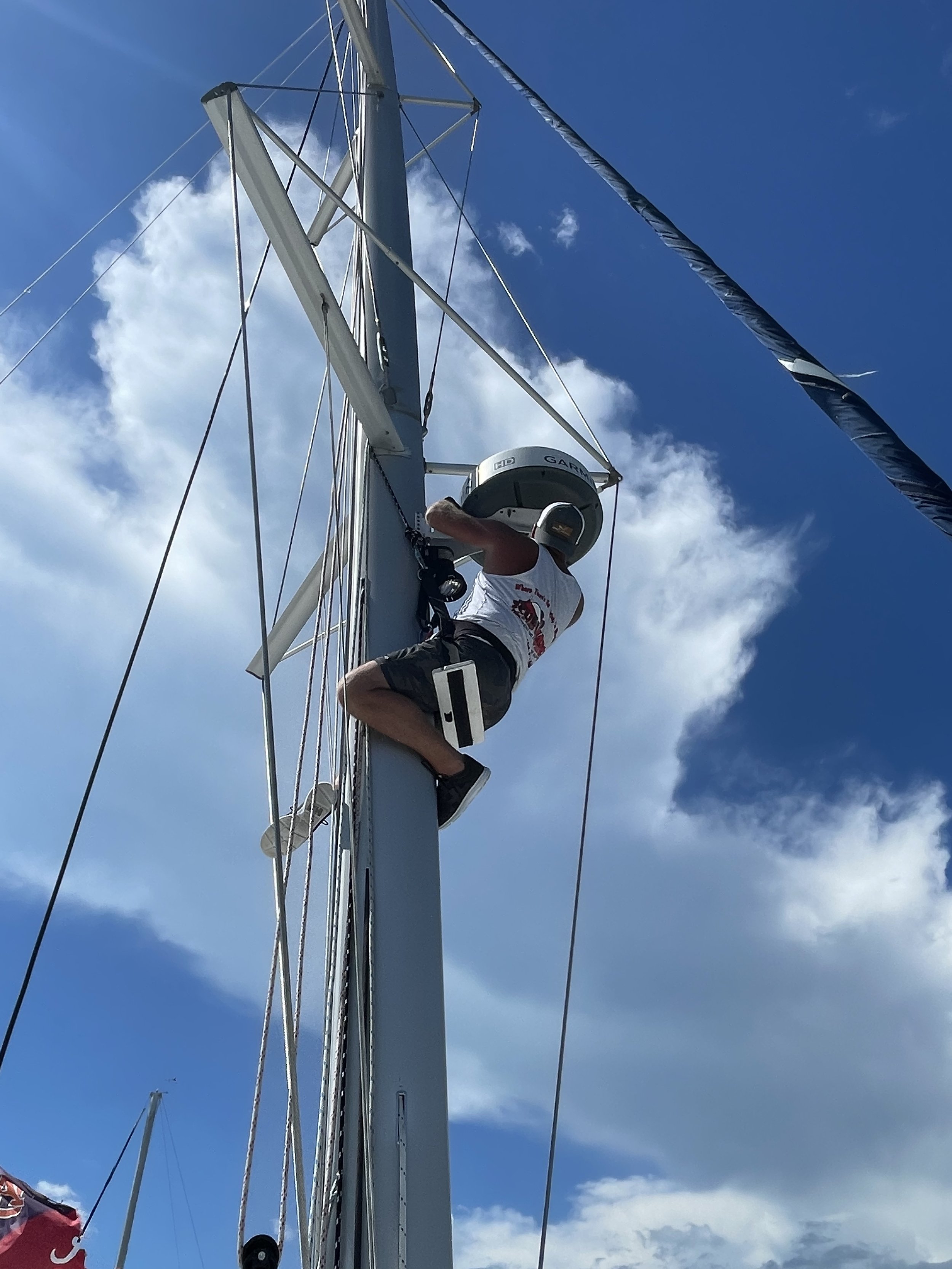
Going Aloft Safely – Proper harness use, mast climbing systems, safety procedures, and performing basic inspections and maintenance at the masthead.
Heavy Weather & Reefing – Sail reduction strategies, weather routing, storm preparation, and decision-making in changing conditions.
Advanced Docking & Close-Quarters Handling – Master spring lines, crosswind docking, tight marina maneuvers, and emergency docking techniques.
Anchoring & Mooring – Selecting anchorages, setting and retrieving anchors, mooring ball procedures, and overnight anchoring best practices.
Marine Electrical & Energy Management – Understand batteries, charging systems, solar, inverters, and power management while cruising.
Diesel Engine & Systems Essentials – Routine maintenance, troubleshooting common issues, and confidence operating twin diesel engines.
Navigation & Passage Planning – Advanced chart work, electronic navigation, weather interpretation, and planning safe Great Lakes passages.
Emergency Preparedness – Crew-overboard recovery, towing procedures, emergency communications, fire response, flooding, and equipment failures.
Never Stop Learning
The best sailors are lifelong students. Our Advanced Clinics are designed to sharpen your skills, build confidence, and prepare you for more ambitious cruising adventures—whether you're chartering NOVA, cruising the Great Lakes, or preparing for extended voyages beyond.
Frequently Asked Questions
-
Most sailing schools end when you pass a class.
Waypoint's program is designed around what comes next.
Every lesson builds toward independent multihull sailing.
Whether your goal is to charter NOVA, join the Waypoint Membership Program, or someday own your own cruising catamaran, your training has a clear purpose.
-
No. Our curriculum is designed for complete beginners as well as experienced sailors transitioning to multihulls.
-
Everyone progresses at a different pace. We focus on demonstrated competency rather than simply completing a set number of hours.
-
Our primary goal is preparing you to safely operate a cruising catamaran. As the program grows, Waypoint may incorporate nationally recognized certifications where they enhance your learning and opportunities.
-
Students who successfully complete the Waypoint Bareboat Checkout and meet our charter qualifications may become eligible to bareboat charter NOVA.
-
We offer flexible pricing based on previous experience and your specific goals. After an initial conversation, we’ll provide a transparent quote with no hidden costs.
“What I love most is the flexibility. I can go at my own pace, revisit lessons, and keep learning whenever it works for me.”
Judy Walsh. Lake Forest, IL.